Scientists discover dogs are entering a new phase of evolution
- READ MORE:
It appears that a new era of canine domestication may be unfolding, driven by human preferences for low-maintenance pets that exhibit a tractable temperament and a propensity for office settings.
Decades ago, dogs were primarily regarded as working animals, performing roles such as hunting rodents, managing grazing livestock, and protecting their living spaces.
priority for pet owners.
Researchers have observed that this transformation in human-dog relationships has led to heightened levels of a hormone associated with social bonding in canines, particularly in service dogs.
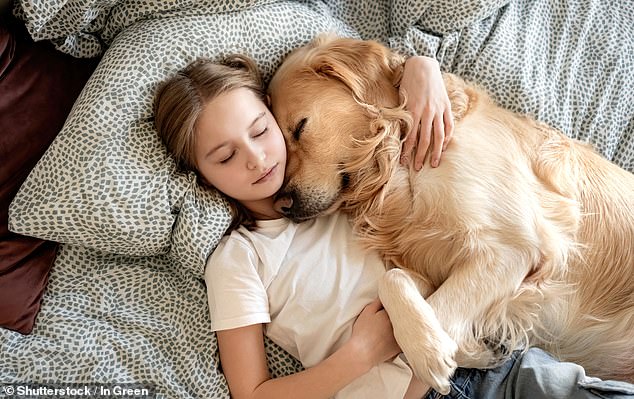
A study found that oxytocin is the hormone responsible for motivating dogs to seek physical interaction with their owners.
Similar to how humans have tamed wolves into the endearing companions we currently keep as pets, a research study suggests that canines' sensitivity to oxytocin has developed.
Researchers from Linköping University in Sweden initiated a 2017 study aiming to determine how dogs gained their extraordinary capacity to collaborate harmoniously with humans. This collaboration often manifests in the canine's readiness to seek assistance when encountering a challenging predicament, as observed in the phrase: "ask for help" when faced with a difficult problem.
Researchers hypothesized a connection between oxytocin and social bonding due to its established influence on relationships among individuals.
The effect of oxytocin on the body is determined by its ability to bind effectively to its receptor inside cells.
Previous research found that changes in genetic material near the gene encoding oxytocin receptors in dogs appear to affect their capacity to communicate.
In essence, a dog's social interactions have a hereditary link to a genetic predisposition, including the effects of oxytocin-regulating genes that essentially fine-tune their capacity for social bonding.
Sixty golden retrievers were studied to determine their problem-solving capabilities while trying to remove the lid from a sealed container filled with treats, which purposefully had no access point or means of opening.
Researchers also collected nasal swabs from the dogs to identify the particular variant of the oxytocin receptor that each dog carried.
The dogs were submitted to this behavioral evaluation twice, first after being administered an oxytocin nasal spray and secondly after being administered a saline nasal spray as a neutral agent.
Researchers observed and measured the duration for which the dogs tried to open the jar independently before seeking assistance from their owner.
The study found that canines with a specific variation of the receptor responded more strongly to the oxytocin spray, which led them to be more inclined to seek assistance following treatment, in contrast to those who received the saline solution.
These results provide valuable insight into how domestication has impacted the genetic factors that drive dogs' social abilities.
According to canine experts Brian Hare and Vanessa Woods, dogs are currently undergoing a third phase of domestication.
As certain animals have transitioned from being exploited as workers to being viewed as companions, their behavior and perhaps even their biology may have undergone corresponding changes as well.
Dr Hare is a professor of evolutionary anthropology at Duke University and the director of the Duke Canine Cognition Centre, which oversees the Puppy Kindergarten programme. This programme trains puppies to become service dogs.
The Puppy Kindergarten program is also a long-term research initiative aimed at examining the effects of various training methods on the development and behaviour of dogs over time
.
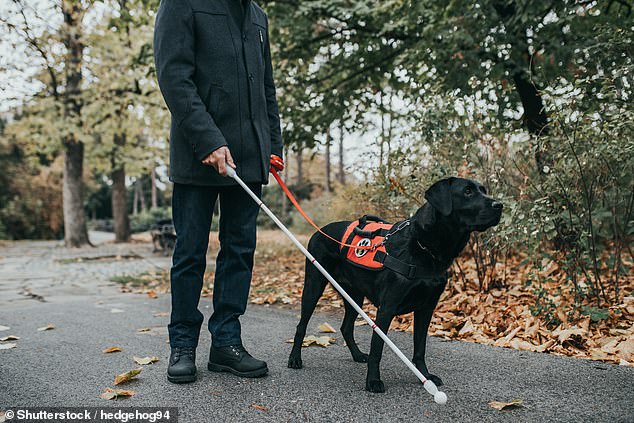
These highly trained canine companions are professionals capable of lending a hand with a variety of tasks, allowing them to remain remarkably calm and quiet when not actively working, and boasting uniquely endearing personalities that make them a joy to be around.
'Unlike most pet dogs, service dogs are inclined to be drawn to outsiders, even in their puppyhood,' Woods and Hare noted.
According to the researchers, escalating friendliness has actually led to alterations in the dogs' biological makeup, much like it did thousands of years ago.
These wonderfully trained breeds exhibit the characteristics of the ultimate canine companion. They effortlessly integrate into their owners' lives and adapt beautifully to the demands of contemporary society.
'Service dogs seamlessly integrate into their owner's daily life in the same way many able-bodied dog owners wish their pets could for them,' Woods and Hare wrote.
Just a few decades ago, canines were viewed distinctively differently than they are now. They were utilitarian animals responsible for performing jobs such as hunting, livestock management, and safeguarding their dwellings and inhabitants - habituated to being active and vigilant.
Prior to the 1990s, canines predominantly resided outdoors. With fewer sprawling urban areas compared to the present day, they had the freedom to wander and discover the surroundings at their own pace.
The researchers noted that if your dog had slept on your bed, you could likely wake up covered in ticks or fleas.
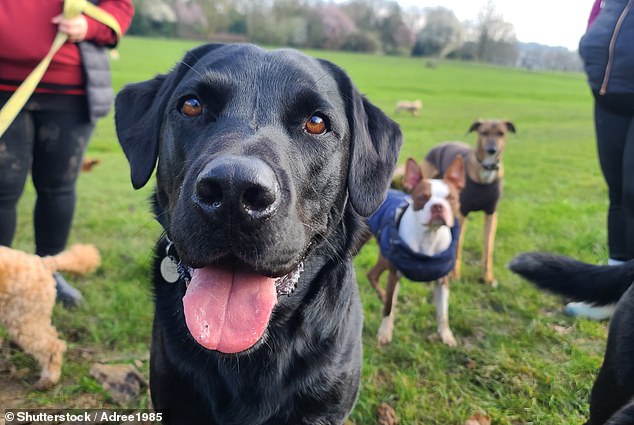
Unfortunately, many more dogs nowadays reside in densely populated urban environments. As a result, they are frequently confined indoors for longer periods. They are also more likely to encounter unfamiliar dogs and people.
This shift has led to certain behaviors that contributed to the appeal of dogs becoming detrimental in modern situations. For instance, "guarding against unfamiliar individuals and animals may make it more challenging to walk a dog in a local area."
Dogs that exhibit higher levels of energy, excitability, fearfulness, or anxiety than typical are more likely to be relinquished to shelters, thereby facing potential difficulties in finding a new home.
According to Woods and Hare, emerging societal demands are propelling a third era of canine domestication, with assistance dogs being the most advanced group of man's best friends.
suggesting that service dogs, despite their appearance, display distinct characteristics when compared to other types of dogs, including those in the military or as family pets.
"These varying populations showcase how drastically a group of dogs can diverge in just under half a century," the expert noted.
The domestication of canines is estimated to have occurred around 40,000 to 14,000 years ago. This initial wave of domestication occurred when early humans lived as hunter-gatherers, and frequently discarded food debris at the periphery of their living spaces.
As stated, wolves were able to gain a survival advantage by availing themselves of this predictable and energy-rich food source. Consequently over successive generations, the natural inclination of the animals shifted from fear and aggression towards a profound attraction to humans.
The second surge started contemporaneously with the Industrial Revolution. As the middle class grew at this time, they sought canines that embodied their refined tastes and marked their purchasing power.
The influx of foreign dogs in ancient Greece and Rome motivated Westerners to begin selectively breeding dogs for distinct physical characteristics, ultimately leading to the development of many of the 200 breeds now recognized by the American Kennel Club.
As we embark on a third phase of domestication - one emphasizing dogs' modification to fit contemporary society - Woods and Hare urge individuals to participate in shaping canine personalities.
"For the sake of canine happiness and strengthened human-canine relationships, humans should prioritise breeding and training more service animals, driving a fresh era of dog domestication to integrate dogs into our modern society," they explained.
Read more
Post a Comment for "Scientists discover dogs are entering a new phase of evolution"
Post a Comment